
Method of Operation
What is plug cultivation?
The process of plug cultivation
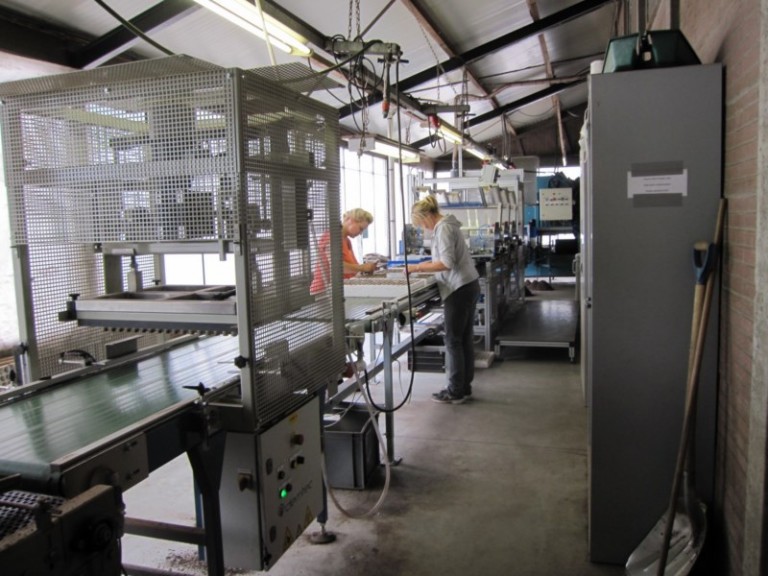
1. Sowing
Our cultivation begins with tree seeds. We purchase seeds ourselves, or customers supply us with seeds that we then clean and stratify.
In the spring, the seeds are then sown automatically into styrofoam trays. This process ensures even distribution and a consistent start for every plant, laying the foundation for uniform cultivation.
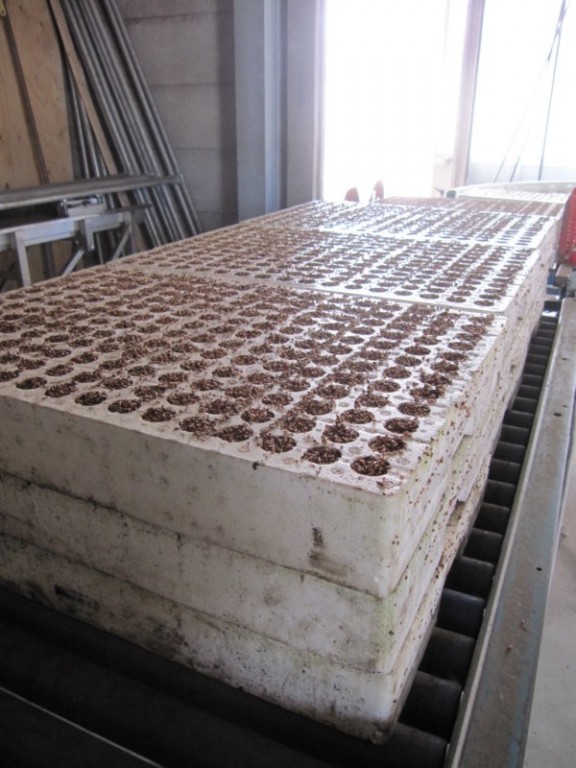
2. Germination and initial growth
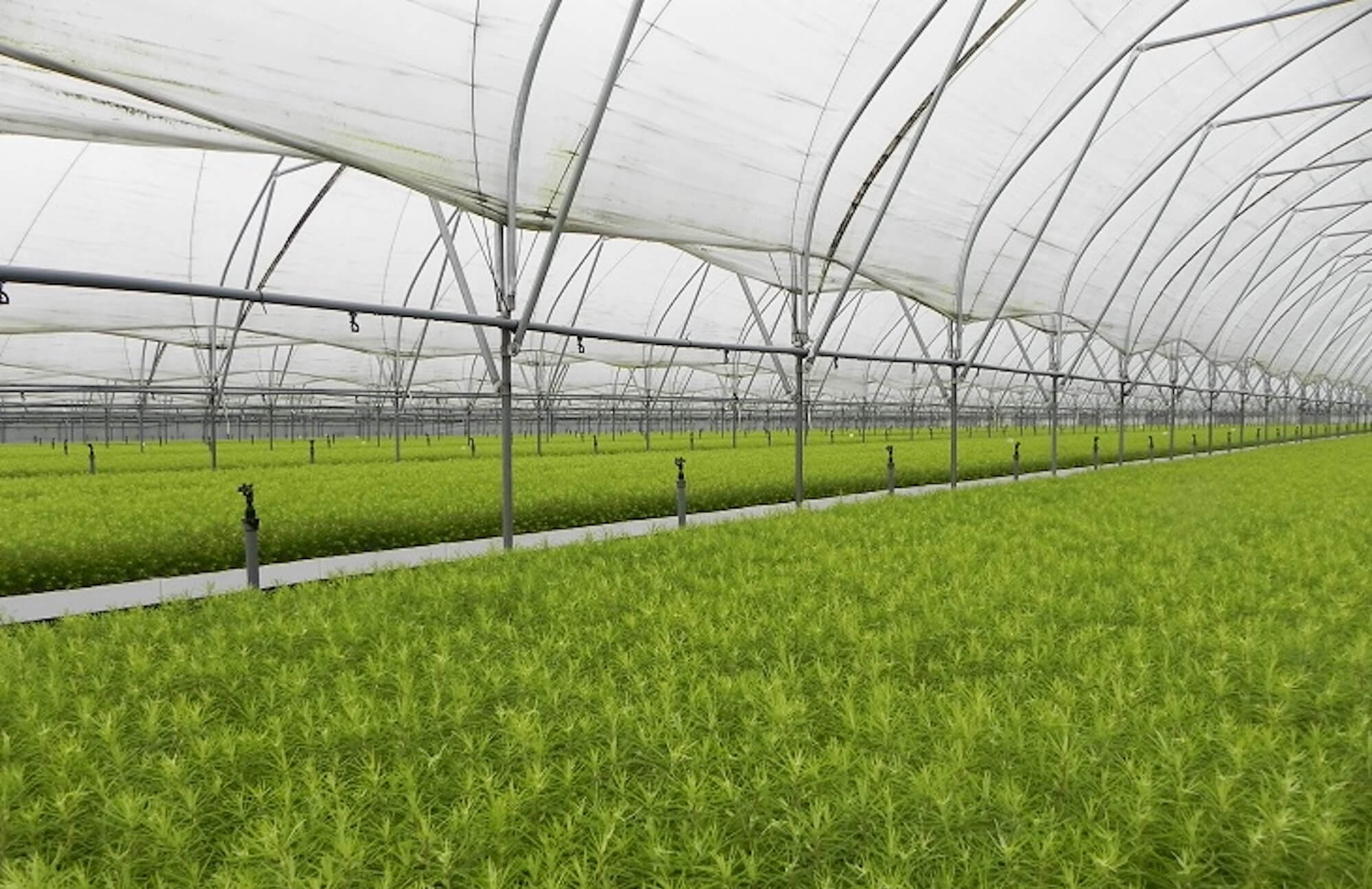
After sowing, the trays are placed in 4.5 hectares of foil tunnels or roll-air greenhouses. Here, the seeds receive optimal conditions to germinate and develop rapidly. This phase is decisive for a strong and healthy start.
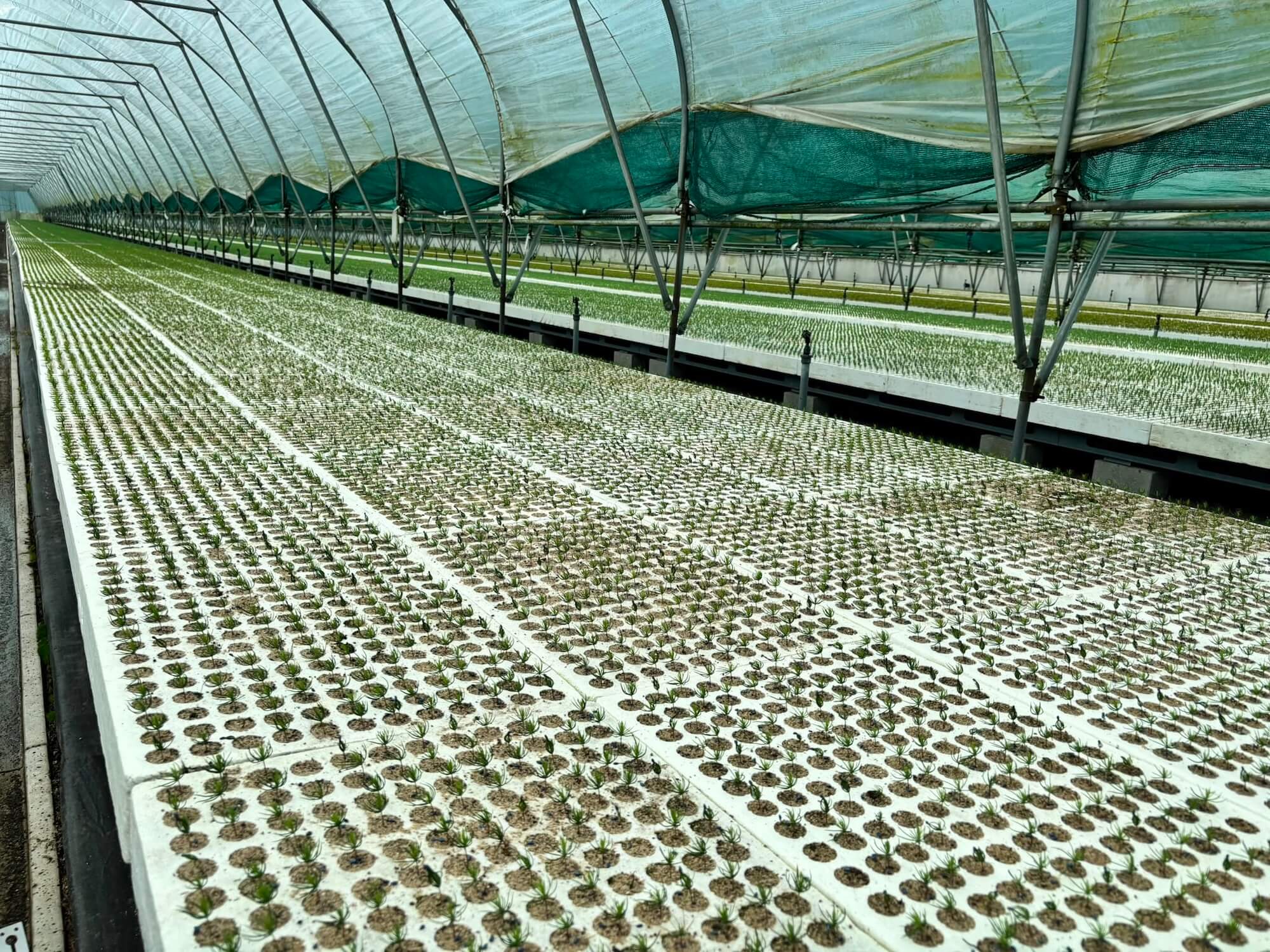
3. Cultivation in tunnels
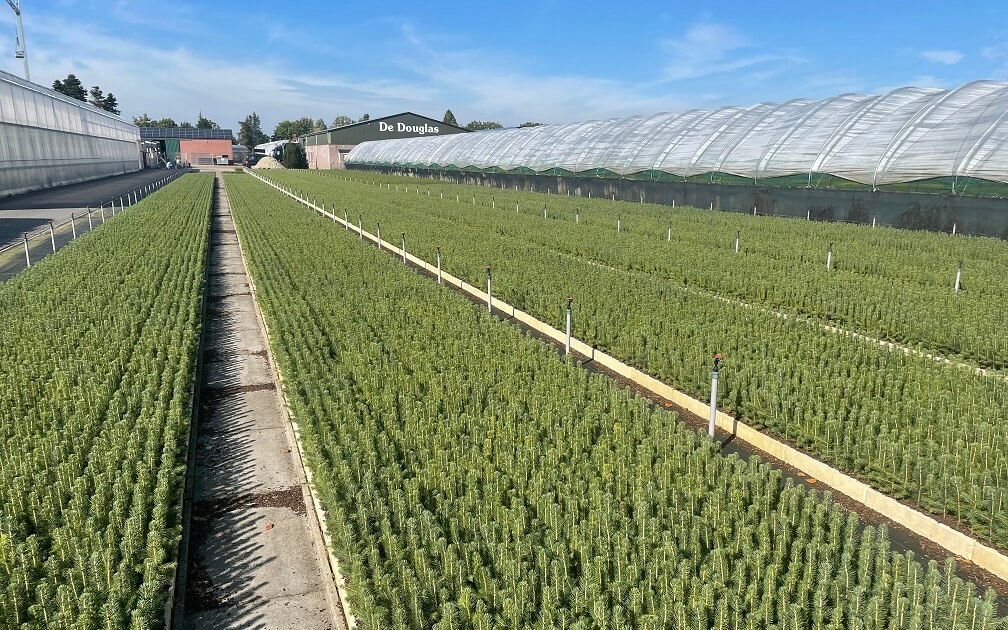
4. Hardening off
Once the plants have reached sufficient height, the foil is removed from the tunnels. This exposes the plants to natural conditions, allowing them to develop further. This process ensures strong, thicker, and robust plants that are well-equipped to withstand transport and transplanting.
5. Overwintering
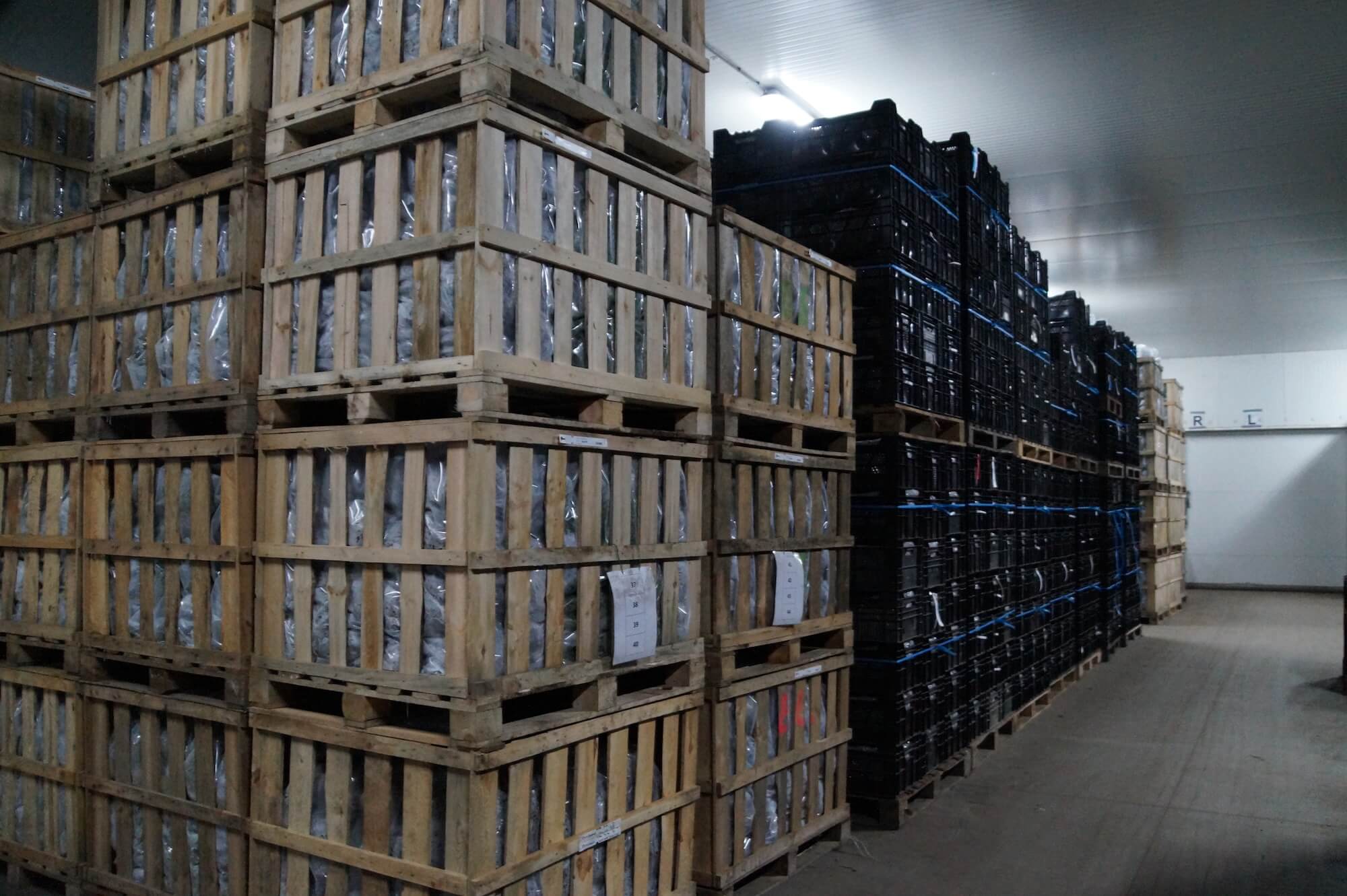
6. Sorting and storage
Speed is possible
Sowing and delivery within one year
From February to June, delivery of over 50 different types of plug plants takes place throughout Europe. A portion of the 1-year-old plug plants is transplanted by us into P40 trays for the production of 2-year-old plants a season later. We grow these 2-year-old plants on a 0.5 ha container field.
Spring sowing: a small portion of our assortment is sown in February and March and grown in a heated greenhouse for delivery in May/June of the same year. This is done with plant species that customers prefer to pot fresh, or when there is a need to shorten a cultivation year due to a shortage of a specific species. These plants are hardened off a few weeks before delivery to prevent transplant shock.
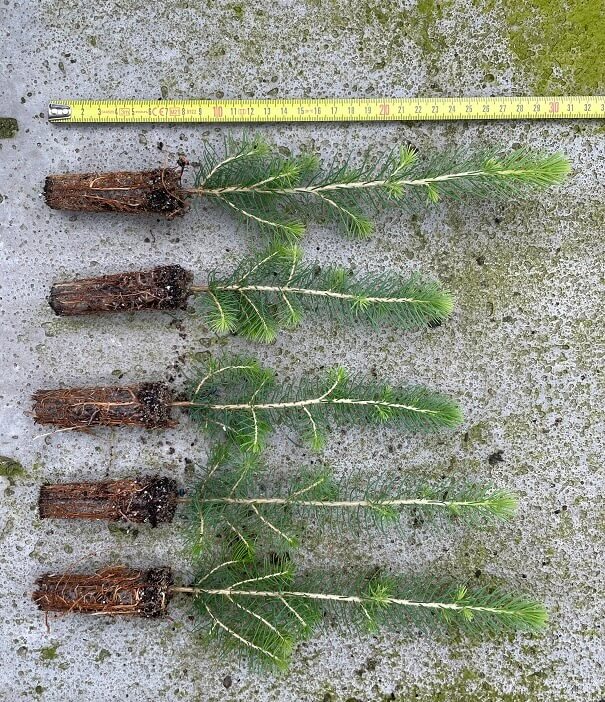
Various plug sizes
We grow various sizes of plugs. Each size has its own possibilities and applications.
This plug is primarily used for transplanting into larger plugs and smaller pot sizes, or for planting in open-ground beds.
This plug is used for transplanting, potting, or for direct planting in forests.
Some plant species are sown directly into P40 trays, but for most species, a P204 is transplanted into a P40. The P40 plug size is increasingly used as heavier planting stock, for immediate grafting (instead of P9), or for direct planting in forests.
Need more information?
Advantages of plug cultivation
Significantly more plants are obtained from one kilo of seed, which lowers the cost price per plant and provides a direct advantage, especially with expensive seed batches.
The cultivation cycle is shortened, making crops marketable faster and increasing the turnover rate within the nursery.
Plug plants are uniform and easy to handle, allowing them to be processed efficiently in both manual and mechanical processes.
Losses are minimal and growth is consistent, ensuring a homogeneous end product and less sorting work.
The uniform structure of plugs makes them ideal for automated processing and scaling up within the production process.
Plug plants can be processed throughout the year, ensuring stable planning and a better distribution of labor.